

Diamond Color Guide – Understanding Diamond Color Grades
While shopping for a diamond, many buyers focus on its sparkle and size. But they do not consider diamond color. This is another important factor to consider. It influences both the beauty and value of a diamond. So, you have to understand diamond color grades. This can help you choose a stone that looks brilliant while staying within your budget.
In this Diamond Color Guide, we will explain:
- how diamond color is graded,
- what the diamond color chart means, and
- How to select the best color for rings and fine jewelry.
This guide helps shoppers across the US confidently understand one of the key elements of diamond quality.
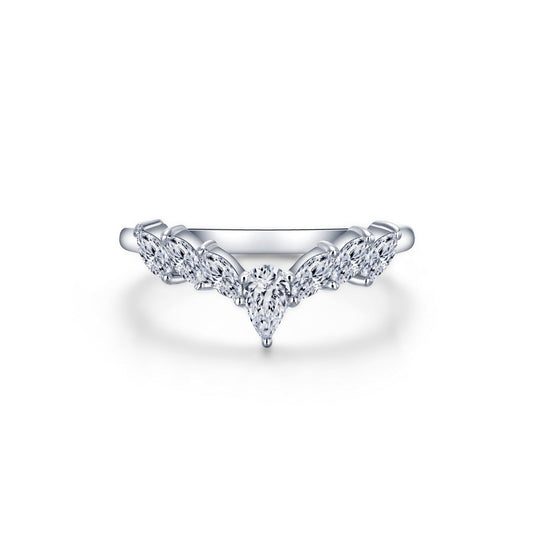
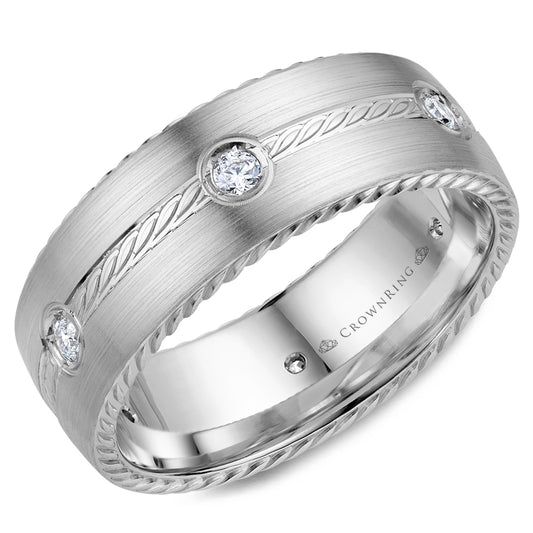
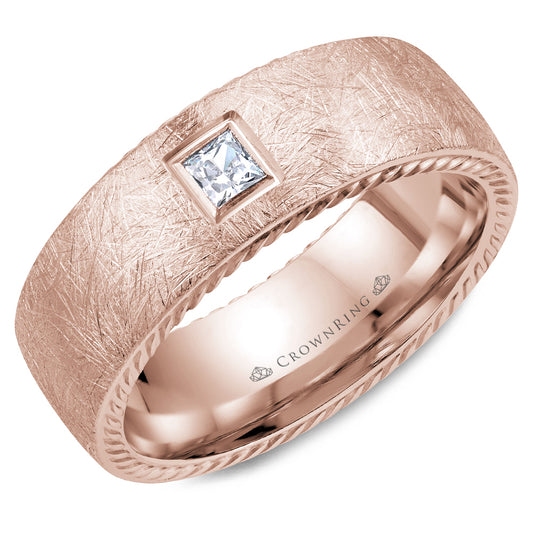
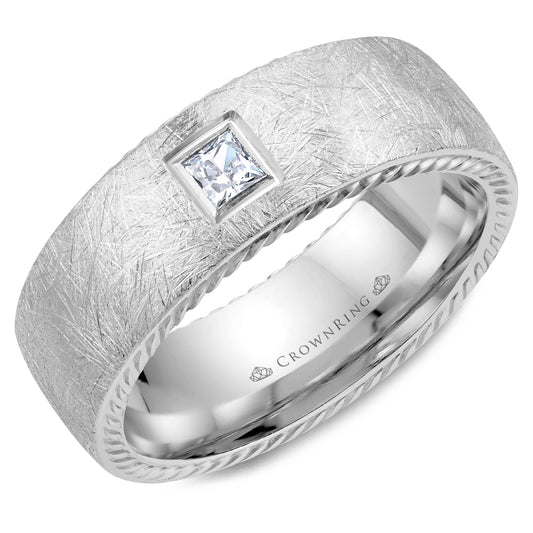
Featured Products
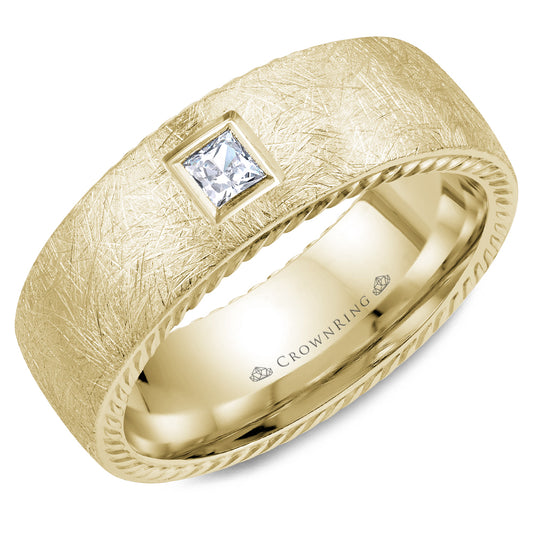
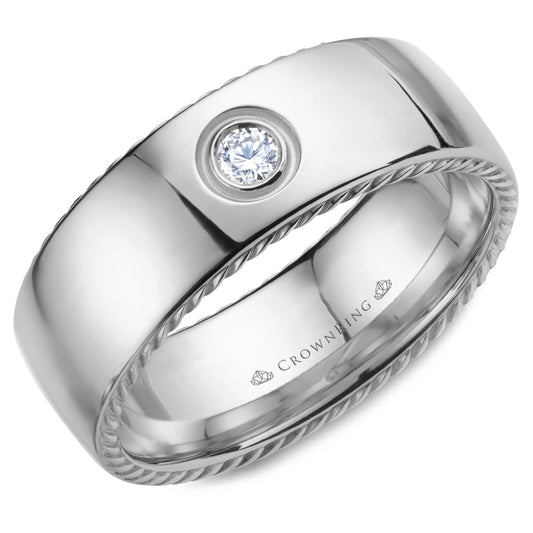
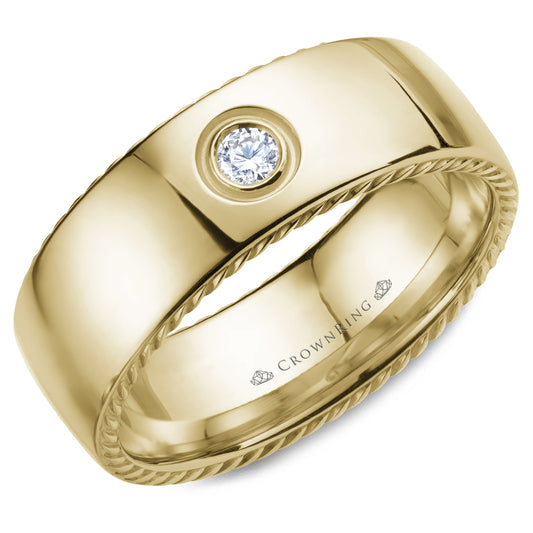
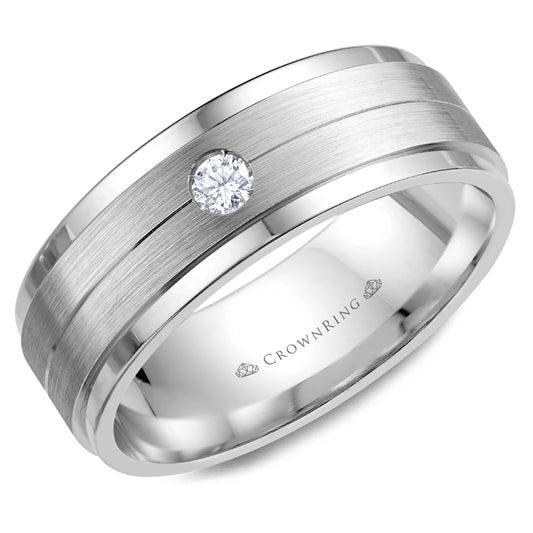
What Is Diamond Color?
Diamond color refers to “how colorless a diamond appears”. Most diamonds naturally contain slight traces of yellow or brown tones. To evaluate these differences, gemologists use a grading system. Through this system, they measure color from
- D (completely colorless) to
- Z (noticeable color).
The less color a diamond has, the higher its grade and typically the more valuable it becomes.
How Diamond Color Affects Price?
It influences price due to rarity.
Why Higher Color Grades Cost More?
- Colorless diamonds are extremely rare
- Higher demand among luxury buyers
- Greater purity of appearance
For example, a D color diamond may cost more than a G color diamond of similar size and quality (even though the visual difference may be minimal). This is why many buyers choose near colorless diamonds. This has better value.
Difference between Diamond Color and Clarity
Diamond color and clarity measure different aspects of a diamond’s quality.
Diamond Color
Refers to the absence of color or tint in the stone.
Diamond Clarity
Refers to internal inclusions or external blemishes within the diamond. Both affect value. But color often influences the overall visual appearance more than clarity.
When balancing the 4Cs, buyers frequently prioritize cut quality first. This is followed by color.
Diamond Color Chart Explanation
The industry standard for grading diamond color was developed by the Gemological Institute of America (GIA). The scale begins with the most colorless diamonds and progresses toward stones with visible tint.
D–F: Colorless Diamonds
- Highest quality color grades
- Extremely rare and valuable
- Appear icy white in any lighting
These diamonds are often chosen for premium rings.
G–J: Near Colorless Diamonds
- Slight warmth detectable under magnification
- Appear colorless to the naked eye in most settings
- Excellent balance between beauty and value
Many ring buyers choose diamonds in this range.
K–M: Faint Color Diamonds
- Slight yellow tint visible to the eye
- Lower price than colorless diamonds
- Often paired with yellow gold settings
N–R: Very Light Color Diamonds
- Noticeable warmth in appearance
- Less common in rings
S–Z: Noticeable Color Diamonds
- Clearly visible yellow or brown tones
- Typically used in fashion jewelry
Colorless Diamonds (D–F)
Diamonds graded D, E, and F are considered completely colorless.
Characteristics
- Rare
- Maximum light reflection and brightness
- Premium price category
These contain virtually no color. Hence, look stunning in platinum and white gold settings. However, the visual difference between D and F grades is not easy. It is possible with magnification.
Near Colorless Diamonds (G–J)
Diamonds in the G–J color range are among the most popular choices for rings.
Why Buyers Love Near Colorless Diamonds:
- Appear white in most lighting conditions
- Excellent value compared to colorless diamonds
- Perfect mix of beauty and value
G or H color diamonds are the best combination of brilliance and value.
Diamonds With Noticeable Color (K–Z)
Diamonds graded K and below begin to show more visible warmth.
Characteristics
- Slight yellow or brown tint
- Lower price points
- Warmer appearance
These diamonds can still look attractive when paired with yellow gold settings. This helps blend the color tone. Some buyers even prefer the vintage warmth these diamonds provide.
How Lighting Affects Diamond Color?
Diamonds can appear slightly different. It is based on lighting conditions.
Jewelry Store Lighting
Bright lighting enhances sparkle. This may make diamonds appear more colorless.
Natural Daylight
Subtle color differences become more noticeable.
Indoor Lighting
Warm lighting may emphasize yellow tones. Because of this, jewelers often evaluate diamonds under controlled lighting. This is to ensure accurate color grading.
How to Choose the Right Diamond Color?
Do you understand how diamond color grades work? This helps you in choosing a diamond that perfectly matches your:
- style
- budget, and
- expectations.
Now you can easily choose the best option, whether it is:
- the colorless diamond's brilliance or
- the excellent value of near colorless stones.
- The right choice ensures lasting beauty.
Contact us for expert guidance. We help you carefully select diamonds that reflect your love story and shine brilliantly for years to come.
Important Tips for Choosing the Right Diamond Color
It involves balancing appearance and budget.
Consider the Ring Metal
- Platinum / White Gold:
Higher color grades recommended.
- Yellow Gold:
Lower color grades blend well
- Rose Gold:
Warmer tones complement slightly lower color grades
Balance Color with Cut
A diamond with excellent cut may appear brighter and more beautiful than a higher color diamond with poor cut.
Choose Value Wisely
Near colorless diamonds often provide exceptional beauty at a better price.
What is the Best Diamond Color for Rings?
Selecting the best diamond color is based on:
- personal preference, and
- the ring setting.
Recommended Color Grades
D–F Color
- Best for luxury buyers
- Maximum colorlessness
G–H Color
- Best value for engagement rings
- Appears white in most settings
I–J Color
- Budget-friendly option
- Still attractive in yellow or rose gold
Many experts recommend G or H color diamonds as the ideal balance between appearance and cost.
